

Elysse Thebner Miller, MPH, RDN, LDN, CEDS-C, Merode “Mem” Wood, MS, LCMHCS, CEDS-C & Joseph Crozier, MD, PhD, CEDS-C
Presentation Title:
“When Once a Week Is Not Enough: A Multidisciplinary Decision-Making Model for Stepping Up Adults with ARFID”
Presentation Overview:
Adults with Avoidant/Restrictive Food Intake Disorder (ARFID) frequently remain in outpatient treatment despite persistent nutritional inadequacy, functional impairment, and limited progress after years of ongoing illness. Unlike other eating disorders, ARFID presentations in adults can lack clear medical or weight-related indicators for higher levels of care (HLOC), leaving clinicians uncertain about when to pursue step up. This ambiguity is further compounded by differing clinical perspectives across disciplines.
This session, facilitated by a therapist, dietitian, and psychiatric provider, presents a practical, multidisciplinary decision-making model to guide clinicians in determining when outpatient care is no longer sufficient. Attendees will be introduced to a structured framework for assessing level-of-care needs in adults with ARFID, with emphasis on real-world indicators beyond weight and labs, including nutritional variety, psychological rigidity, psychiatric comorbidity, and functional impairment. The session will also address common barriers to stepping up care, including patient ambivalence, insurance limitations, team misalignment, and finding appropriate options for treatment. Presenters will offer concrete strategies to support timely and effective transitions when indicated.
Learning Objectives:
- Attendees will be able to identify at least three clinical indicators, beyond weight and laboratory values, that suggest need for a higher level of care in adults with ARFID.
- Attendees will be able to apply a multidisciplinary framework to evaluate level-of-care needs for adults with ARFID across therapist, dietitian, and prescriber perspectives.
- Attendees will be able to describe at least two strategies for addressing ambivalence and other common barriers when recommending a higher level of care for this population.
Speaker Biographies:
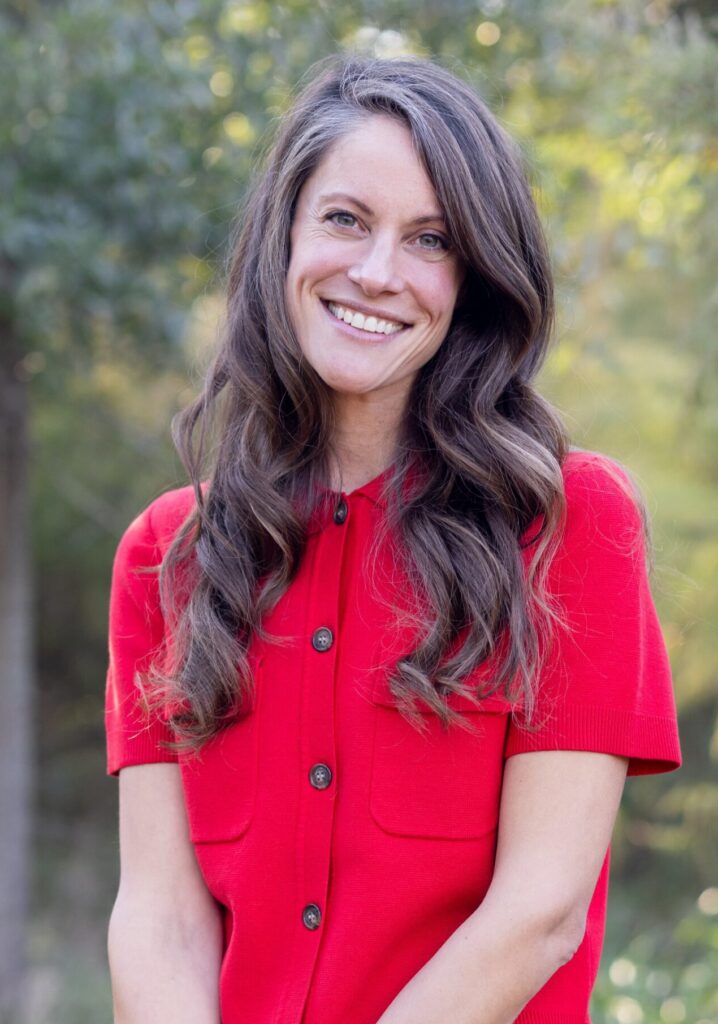 Elysse Thebner Miller (she/her) is Regional Nutrition Manager for The Emily Program in North Carolina, including the adult ARFID Center of Excellence in Durham. She earned a BS in Health Sciences from Ithaca College and an MPH in Nutrition from UNC Chapel Hill’s Gillings School of Global Public Health. She completed her dietetic internship through the UNC Center of Excellence for Eating Disorders and Duke University. Previously, she was an RD at UNC CEED, providing care across inpatient, PHP, and outpatient settings, and served as a research dietitian on trials for anorexia, bulimia, and binge eating disorders.
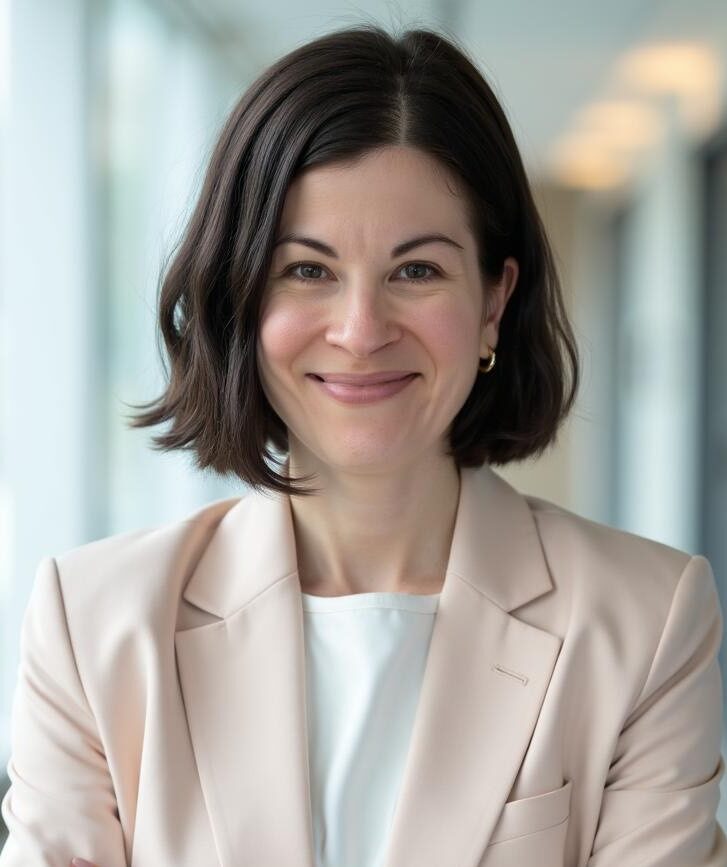 Mem Wood (she/her) is the Regional Clinical Director for all ages and levels of care at The Emily Program’s Eating Disorder Treatment Centers in North Carolina, including the new adult ARFID Center of Excellence. Mem attended the New College of Florida for her BA, then earned her master’s in clinical mental health counseling at Florida International University. She completed her training at the Renfrew Center of South Florida. Before she transitioned to The Emily Program, Mem worked at the Renfrew Center in a variety of roles. Mem has been with The Emily Program (formerly Veritas Collaborative) for over eight years.
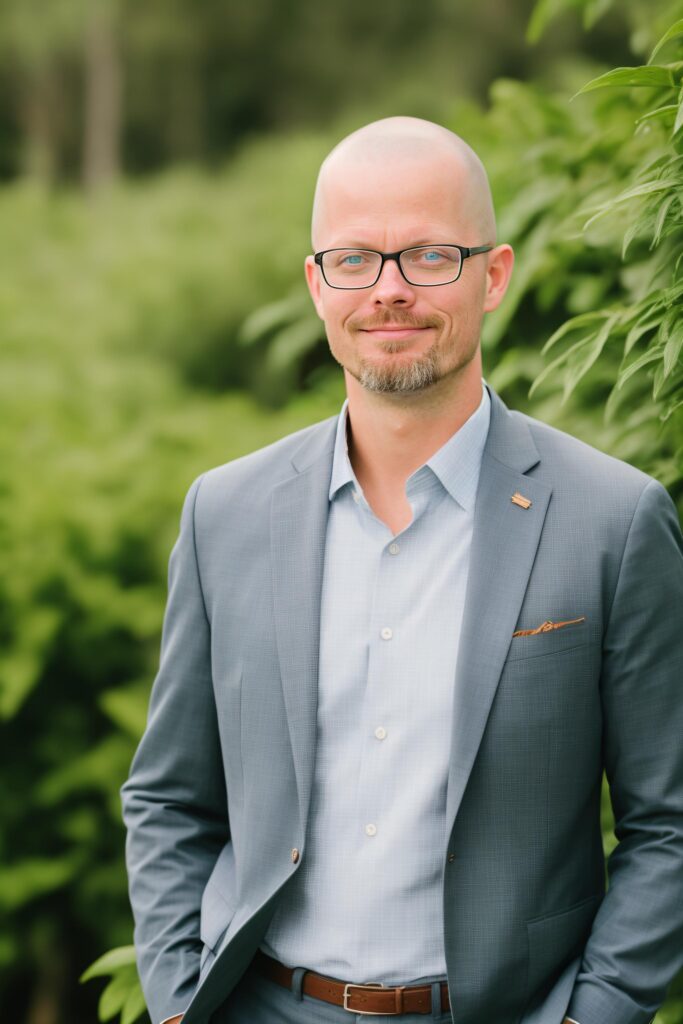 Joe is a psychiatrist and clinical psychologist with extensive experience treating children, adolescents, and adults with eating disorders across levels of care. He completed medical school, psychiatry residency, and clinical psychology training at Duke University Medical Center. He previously held faculty appointments at Duke University and the University of North Carolina (UNC), where he served as Medical Director of UNC’s Center of Excellence for Eating Disorders and contributed to clinical care and research. Since 2017, he has served as Regional Medical Director for The Emily Program in North Carolina, overseeing integrated medical and psychiatric treatment for clients with eating disorders.